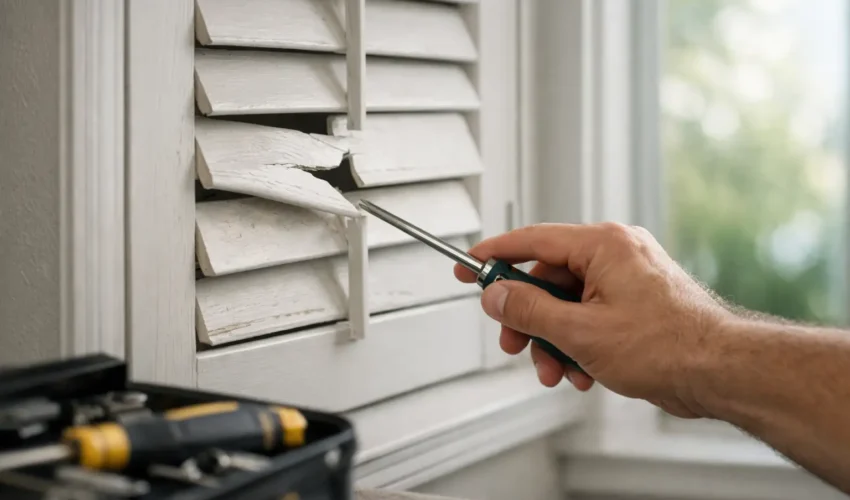
A roller shutter rarely fails without warning. More often, the signs your shutter needs repair show up in small ways first – a slower opening cycle, an unusual grinding sound, a door that sits unevenly, or staff needing to force it through the last few inches of travel. If those issues are ignored, what starts as a minor repair can quickly become lost trading time, a security risk, or a safety problem on site.
For commercial and industrial premises, shutters are part of the working day. They protect stock, control access, support deliveries, and help keep operations moving. When they begin to underperform, the real cost is not just the repair itself. It is downtime, disruption, and the risk of a complete failure at the worst possible moment.
Why early shutter faults matter
A shutter system is made up of moving parts that all depend on correct alignment, tension, power supply, and safe operation. If one element starts to wear out, the strain often spreads elsewhere. A damaged curtain can affect tracking. A tired motor can put pressure on controls. Worn end locks or guides can make the whole door unstable.
That is why early attention matters. In many cases, a prompt repair is far simpler and less costly than dealing with a door that has jammed fully shut or stopped securing the premises properly. For warehouses, retail units, workshops, medical centres, and managed commercial properties, that difference matters.
1. The shutter is making unusual noises
A shutter should not be silent, but it should sound consistent. If you start hearing grinding, scraping, rattling, banging, or sharp metallic noises, something is changing mechanically.
In some cases, the cause is relatively minor, such as debris in the guides or components working loose. In others, the sound points to wear in the motor, barrel, springs, bearings, or curtain assembly. The key issue is not to assume the noise will settle on its own. If a shutter sounds rougher each week, it usually means wear is progressing.
When noise becomes a warning sign
If the sound is sudden, louder than normal, or paired with jerky movement, treat it as a repair issue rather than a maintenance niggle. Continuing to use the door may worsen the fault and increase the chance of the shutter stopping mid-cycle.
2. It opens or closes more slowly than usual
Speed changes are easy to miss because they can happen gradually. A shutter that once lifted cleanly in one smooth motion may begin to hesitate, travel unevenly, or take noticeably longer to complete its cycle.
That slowdown can point to motor strain, drag in the guide channels, a problem with balance or tension, or early electrical issues. On busy sites, slower opening and closing also creates practical problems. It delays deliveries, affects staff movement, and can leave the opening unsecured for longer than intended.
If your team has started waiting on the door or commenting that it feels sluggish, that is usually one of the clearer signs your shutter needs repair.
3. The curtain looks uneven or misaligned
A shutter curtain should sit square and travel evenly. If one side appears lower than the other, the slats are bowing, or the door looks as though it is pulling off line, the system may be out of alignment.
Misalignment is not something to leave alone. A shutter that is running unevenly can catch in the guides, wear components faster, and become unsafe to operate. Sometimes the issue starts with accidental impact from vehicles, loading equipment, or stock movement near the opening. In other cases, it develops through wear over time.
Visible damage is not always just cosmetic
Dented slats, bent bottom rails, and damaged guide channels can all affect how the door performs. Even if the shutter still opens, visible distortion often means the system is no longer working as intended.
4. It sticks, jams, or needs manual force
A properly functioning shutter should not need persuasion. If staff are pushing, pulling, or trying the controls repeatedly to get it moving, there is a fault that needs attention.
Jamming can happen at the bottom of travel, halfway up, or only at certain times of day. Temperature changes, wear, poor alignment, and electrical faults can all play a part. The detail matters, which is why a professional inspection is worthwhile rather than relying on trial and error.
What should not happen is continued use by force. That often turns a manageable repair into damage across several parts of the door.
5. The motor or controls are unreliable
Not every shutter problem is mechanical. If the motor cuts out, the wall switch becomes unresponsive, the remote fails intermittently, or the shutter stops and starts unpredictably, the issue may sit within the control system or power supply.
Electrical faults can be especially disruptive because they are often inconsistent at first. One day the shutter works normally, the next it needs multiple attempts. That can tempt people to put off the repair because the problem seems to come and go.
In reality, intermittent faults are often the hardest on operations because they create uncertainty. You cannot plan around a shutter that may or may not open when the first delivery arrives.
6. The shutter does not close securely
Security is one of the main reasons businesses install shutters in the first place. If the door no longer closes flush, leaves gaps, bounces back up, or fails to lock properly, the risk goes beyond inconvenience.
A shutter that does not secure correctly can leave stock, equipment, and premises exposed. For customer-facing sites, it may also affect whether the property can be left safely at the end of the day. In some settings, especially where there is frequent access or controlled entry, a poor close can also create compliance and insurance concerns.
This is one of the signs your shutter needs repair that should be treated quickly. Even if the door is still operational, a security weakness is not something to monitor for weeks.
7. You can see wear on key components
Some faults announce themselves through performance. Others are visible before they become operational failures. Frayed cables, worn guides, damaged end locks, corrosion, loose fixings, and cracked slats are all signs that parts of the shutter are under strain or nearing the end of serviceable life.
This is where routine checks help. You do not need to dismantle the door or diagnose the problem yourself, but a quick visual look can reveal enough to justify a callout. If something looks damaged, loose, or different from usual, it is sensible to have it assessed.
For older doors, wear does not always mean replacement is needed straight away. Often a targeted repair can restore safe and reliable operation. It depends on the age of the door, the condition of surrounding parts, and whether the damage is isolated or more widespread.
8. Breakdowns are becoming more frequent
One callout in isolation may be down to a single failed component. Repeated issues over a short period suggest a wider reliability problem.
If the shutter has needed multiple resets, temporary fixes, or separate repairs for different faults, it is worth stepping back and looking at the overall condition of the system. Sometimes the answer is still repair, particularly where the core structure is sound. In other cases, a pattern of faults can point to ageing equipment that is becoming uneconomical to keep patching.
That is where an experienced engineer adds value. The right advice is not always to replace the door, and it is not always to keep repairing it either. The decision should be based on safety, expected lifespan, operational impact, and cost over time.
What to do if you spot these signs
If you recognise one or more of these symptoms, the best next step is to stop treating the shutter as though it is normal and arrange a proper inspection. Minor issues rarely improve through continued use. More often, they become harder and more expensive to fix.
For busy commercial premises, a fast response matters because the door usually supports something critical – site security, goods in and out, staff access, or trading hours. A local engineer-led repair service can identify whether the issue is mechanical, electrical, structural, or simply wear that has gone too far.
Door Systems Scotland works with businesses across Lanarkshire, Glasgow, and surrounding areas where shutter reliability directly affects the working day. The aim is straightforward: get the door safe, secure, and operating properly again with as little disruption as possible.
If your shutter is noisier, slower, less secure, or visibly struggling, it is worth acting before it turns into a full stoppage. Catching the problem early is usually the difference between a planned repair and an urgent one.