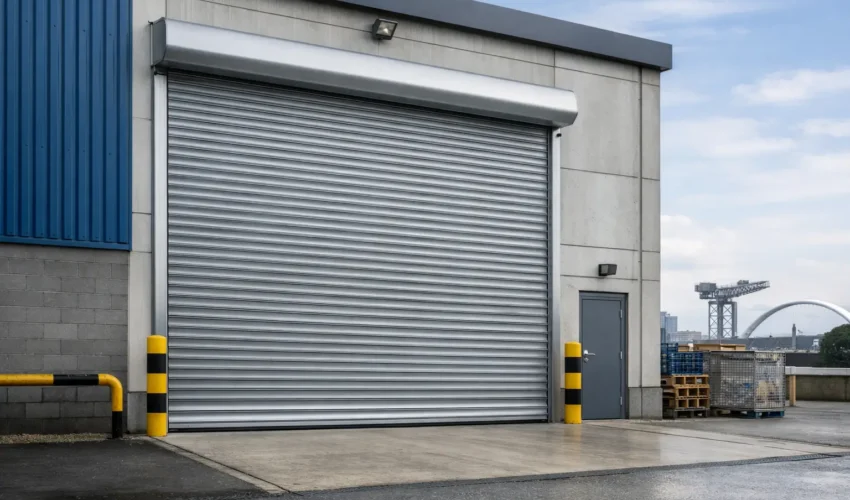
When a shutter sticks halfway open at 6am, it is not a minor inconvenience. For a warehouse, trade counter, retail unit or service yard, it can stop deliveries, delay staff access and leave stock exposed. That is why industrial roller shutter doors Glasgow businesses choose need to do more than open and close – they need to perform reliably under daily pressure, stand up to the weather, and be backed by engineers who can respond quickly when something goes wrong.
Why the right shutter matters in Glasgow
Glasgow sites deal with a bit of everything. Busy logistics schedules, high footfall, exposed industrial estates, older commercial buildings and harsh weather all put extra strain on access systems. An industrial roller shutter door has to match the way the building actually operates, not just fit the opening.
For some premises, security is the main concern. A shopfront stockroom, storage unit or trade unit may need a stronger curtain, upgraded locking and a specification that discourages forced entry. In other buildings, the bigger issue is traffic flow. A loading bay that opens and closes dozens of times a day needs a door that keeps operations moving without becoming a maintenance problem six months later.
This is where specification matters. A shutter that is too lightly built for the workload will wear quickly. One that is over-specified may cost more than necessary and still not solve the real problem if the issue is access speed, safety integration or servicing.
Choosing industrial roller shutter doors in Glasgow
The best choice usually comes down to how the door will be used day to day. Width and height are only the starting point. Usage frequency, wind exposure, insulation needs, security level and available headroom all affect what should be installed.
A manufacturing site with regular forklift movement may need a motorised shutter with safety features that protect staff and vehicles while reducing delays. A commercial unit on an industrial estate may prioritise strong physical security and dependable opening cycles over speed. A retail service area may need a shutter that balances security with a tidy appearance and quieter operation.
The age and condition of the building also play a part. Glasgow has no shortage of older industrial and commercial properties, and they do not always offer ideal fixing backgrounds or generous clearance. In those cases, a proper site survey is worth far more than a quick estimate based on rough sizes. Engineer-led surveys usually spot the practical details that affect installation, long-term performance and maintenance access.
Manual or electric operation
For smaller or lower-use openings, manual operation can still be a sensible option. It keeps the system simple and can suit sites where the door is only opened occasionally. Once usage increases, though, electric operation tends to make more sense. It improves convenience, supports safer operation and reduces the wear that comes from repeated manual handling.
Electric shutters also allow better control of access. Depending on the site, that may include key switches, remote controls, push stations or integration with wider access arrangements. The right setup depends on who is using the door and how tightly access needs to be managed.
Security, insulation and compliance
Not every industrial roller shutter is primarily about security, but many are. If the opening protects stock, tools, vehicles or sensitive equipment, the shutter specification should reflect that. Curtain strength, guide construction, locking arrangements and motor reliability all make a difference.
Insulation can matter too, particularly for units where temperature stability affects working conditions or energy use. It will not be the main driver for every site, but in some buildings it can make the door more than just a security barrier.
Compliance is another area where practical advice matters. Powered doors need to be installed and maintained with safety in mind. That includes appropriate safety devices, correct setup and regular servicing to keep the equipment performing properly.
Installation is only half the job
A well-fitted shutter should feel straightforward to use from day one. It should travel smoothly, stop where it should, and suit the pace of the site. Good installation is not about making the door fit by force on the day. It starts before that, with accurate measuring, proper assessment of the opening and realistic planning around site access and disruption.
For many businesses, downtime during installation is a genuine cost. A late-running job can affect deliveries, customer access and staff schedules. That is why clear planning matters as much as engineering. The best installation approach is usually the one that gets the right door in place with the least disruption to normal operations.
This is also why local support matters. A contractor covering Glasgow and the surrounding areas can usually assess sites more quickly, return for follow-up work if needed, and provide a more accountable service after installation.
Repairs for industrial roller shutter doors Glasgow sites cannot delay
Most shutter failures start with something small. Slower travel, unusual noise, a hesitant motor, worn cables or damage to the curtain after a vehicle impact. Leave those issues too long and what could have been a straightforward repair becomes a breakdown that stops the site.
For commercial and industrial premises, reactive repair speed matters because access problems rarely happen at a convenient time. If a shutter is jammed shut, stock cannot move. If it is stuck open, security is compromised immediately. In both cases, waiting days for attention is rarely acceptable.
Emergency response is not only about turning up fast. It also depends on proper fault finding, carrying out safe temporary measures when needed, and completing repairs in a way that reduces repeat failures. A quick fix that does not address the root cause often leads to another callout soon after.
Some common repair issues include motor faults, damaged laths, failed safety edges, control problems, misaligned guides and wear in components that have simply reached the end of their service life. The right repair approach depends on the age of the door, parts availability and whether the system is still a good candidate for ongoing maintenance.
Repair or replace?
It depends on the condition of the door and the cost of keeping it going. If the main structure is sound and the issue is isolated, repair is often the sensible option. If the shutter has recurring faults, poor reliability or obsolete components, replacement may be more cost-effective over time.
That decision should be based on practical evidence rather than guesswork. A good assessment looks at downtime risk, likely future repair costs and whether the current door still suits the operation.
Planned maintenance saves more than money
Too many businesses only think about their shutters when they stop working. The problem with that approach is simple – unplanned failures cost more in disruption than most servicing visits ever will.
Routine maintenance helps identify wear before it turns into a callout. It keeps safety devices working as intended, reduces strain on motors and moving parts, and gives site managers a clearer idea of the condition of each door. For busy premises with multiple access points, that visibility is valuable.
Maintenance is especially important where shutters are used frequently or exposed to demanding conditions. Loading areas, service yards and high-traffic industrial units all put more pressure on door systems than a lightly used back-of-house opening. A planned schedule should reflect that. Some sites need more attention than others, and there is little value in pretending one service interval suits every building.
For facilities managers and property operators, regular servicing also makes life easier from an operational point of view. It creates a clearer maintenance record, reduces surprise failures and supports safer day-to-day use across the estate.
What businesses should expect from a shutter specialist
If you are arranging new industrial roller shutter doors in Glasgow, or trying to get better support for existing ones, the standard should be fairly clear. You should expect a proper survey, straightforward advice, realistic lead times and work that matches the demands of your site.
You should also expect support after the install. Industrial doors are working assets, not decorative features. They need servicing, occasional repairs and, sometimes, urgent attention outside normal hours. A service-led contractor will treat that as part of the job, not an afterthought.
For many businesses across Glasgow and Lanarkshire, that is exactly what matters most – dependable engineers, quick response and practical recommendations that keep the premises secure and operating as they should. That is the approach Door Systems Scotland is built around.
If your current shutter is becoming unreliable, or you are planning a new installation, the best next step is usually a site survey grounded in how your building really works. The right door should make the day easier, not give you one more problem to manage.